Sustainability can feel like a long list of things you “should” be doing, often delivered with pressure, guilt, or perfectionism. But meaningful change doesn’t need to be extreme. Sometimes the most powerful shifts begin with one small decision repeated consistently.
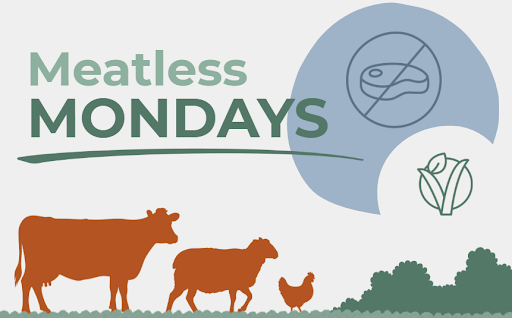
That’s why Meatless Mondays matter.
Choosing one day a week to eat meat-free is a simple, realistic step towards more mindful living. It supports a lighter carbon footprint, encourages compassionate choices, and helps people build more positive, sustainable habits overtime.
At Sarva Dharma, we believe progress grows through responsibility and consistency, not judgement. Meatless Mondays offer a manageable starting point for climate-conscious living.
A quick summary of this article:
- Meatless Mondays are a simple weekly habit that can support a lighter carbon footprint.
- A single repeatable choice is often more sustainable than intense short-term changes.
- Meat-free meals can support environmental responsibility, animal compassion, and healthier everyday eating.
- The easiest way to start is to rotate a few reliable meatless meals you genuinely enjoy.
- Budget-friendly staples (beans, lentils, eggs, tofu, seasonal veg) make it accessible.
- Families and communities can make Meatless Mondays normal through shared cooking, school initiatives, and community meals.
- Sarva Dharma supports compassionate, practical sustainability through education, community, and government action.
Why Meatless Mondays Work (When Big Changes Don’t)
Many people care about the planet and want to reduce harm. But when the expectation is “change everything now,” it becomes overwhelming – and overwhelm often leads to disengagement.
Meatless Mondays work because they are:
- clear (one day a week)
- repeatable (a weekly rhythm)
- realistic (no “all or nothing”)
- shareable (families, schools, workplaces, communities)
A small choice becomes powerful when it’s repeated.
The Deeper Impact: Sustainability, Compassion, and Responsibility
Food is one of the most everyday ways we connect with the world. What we eat touches land, water, animals, and human labour systems – often invisibly.
Meatless Mondays offer a gentle entry point into:
- environmental responsibility (lighter resource demand, less wasteful consumption patterns)
- compassion for animals (reducing harm through mindful choices)
- community-minded living (normalising shared sustainability rather than individual struggle)
This isn’t about blame. It’s about alignment – bringing your values into your daily life in a way that’s sustainable for you.
How to Start Meatless Mondays Without Overthinking It
You don’t need to become a chef or buy expensive cruelty-free ingredients. Start with what’s familiar.
Step 1: Pick one “default” meal you’ll repeat
Choose something you already like and can make easily, such as:
- lentil bolognese
- chickpea curry
- veggie stir-fry with noodles or rice
- bean chilli with toppings
- omelette or frittata with seasonal vegetables
- roasted veg wraps with hummus
Repetition isn’t boring – it’s what makes habits stick.
Step 2: Build a simple “protein swap” list
People often worry about protein first. You don’t need complicated options. Start with basics:
- beans and lentils
- eggs (if that fits your diet)
- tofu or tempeh
- yoghurt and cheese (if that fits your diet)
- nuts and seeds
- whole grains paired with legumes
The goal is a satisfying, meat-free meal – not a perfect nutrition spreadsheet.
Step 3: Make it easy for your future self
Try one of these:
- batch cook once, eat twice
- keep one meatless sauce in the freezer
- keep a “Monday staples” shelf: lentils, tomatoes, spices, rice
- choose seasonal vegetables to reduce cost and stress
Consistency grows when the friction is low.
Meatless Mondays on a Budget (and With a Busy Schedule)
Meat-free does not have to be expensive. In many cases, it becomes cheaper when you focus on simple, whole ingredients.
Budget-friendly staples:
- dried lentils, beans, chickpeas
- tinned tomatoes, onions
- frozen vegetables, or produce sourced locally
- rice, oats, potatoes, pasta
- seasonal greens and root veg
Time-saving shortcuts:
- tinned beans instead of soaking
- pre-chopped frozen vegetables
- one-pot meals (soup, chilli, curry)
- sheet-pan roasted vegetables + a quick sauce
The most sustainable habit is the one you can keep.
Making Meatless Mondays a Shared Culture (Not a Solo Struggle)
The biggest impact happens when mindful choices become normal in homes, schools, and communities.
Here are simple ways to make it collective:
- cook one meatless meal together as a family
- share recipes in a workplace chat
- host a monthly community potluck with plant-based dishes
- encourage schools to add one meatless option that’s genuinely appealing
- run a “swap one meal” challenge with friends
When people see each other choosing compassion, it stops feeling unusual – and starts feeling like the standard.
How Sarva Dharma Supports Compassionate, Practical Change
Meatless Mondays are one example of how small habits can create a more conscious culture. Sarva Dharma supports this wider shift through education and community action – helping people turn values into everyday practice.
Explore our education campaigns and work, or post your meat-free meal on social media and tag us (@sarvadharma.ngo).
Frequently Asked Questions
Meatless Monday is a simple weekly practice of eating meat-free one day a week. It helps people reduce meat consumption in a realistic, repeatable way.
Yes – because consistency matters. One repeatable habit can shift household norms, influence community culture, and support broader sustainability awareness over time.
Start with familiar meals using simple swaps: lentil bolognese, bean chilli, veggie stir-fry, chickpea curry, omelettes, or roasted veg wraps.
You can use beans, lentils, chickpeas, eggs, tofu, yoghurt, nuts, seeds, and whole grains. Focus on balanced, filling meals rather than perfection.
Make it fun and shared: choose a favourite meal, cook together, let kids pick toppings, and keep a simple rotation so it feels easy, not forced.
Where Change Takes Root
Meatless Mondays are not about perfection. They’re about practising responsibility with compassion.
One day a week is a small decision. But small decisions repeated become a culture and culture changes everything.
If you want sustainability to feel less exhausting, start where life is lived: one meal, one habit, one Monday at a time.