Sustainability doesn’t start with policies, protests, or perfect lifestyles. It starts young. It starts with what children learn to value, what they practise when no one is watching, and what becomes “normal” in their everyday world.
That’s why sustainability education matters so deeply. Not as a subject you squeeze into a timetable, but as a way of shaping people who care – about each other, about animals, about nature, and about the future they’re inheriting.
At Sarva Dharma, we believe progress grows through connection, not pressure. This isn’t about raising children who feel guilty about the world’s problems. It’s about raising young people who feel connected to life around them – and who act with responsibility because they care.
A quick summary of this article:
- Sustainability education helps young people build empathy, responsibility, and practical skills for life.
- When sustainability is taught early, it becomes normal, not a burden or “extra effort.”
- The most effective learning is hands-on: habits, projects, reflection, and community action.
- Schools and families can support everyday sustainability habits that children can grow with over time (waste, water, energy, mindful consumption).
- Youth leadership grows when adults create space, tools, and trust – not control.
- Sarva Dharma supports education and community action so compassion becomes daily practice.
Why Sustainability Education Matters Now
Young people are growing up with a daily stream of climate headlines, social pressure, and uncertainty about the future. Without support, that can turn into overwhelm or numbness.
But education can do something powerful: it can turn anxiety into agency.
When children learn that their choices have impact and that action can be shared, they begin to see sustainability as a relationship with life, not a problem they have to solve alone.
Sustainability education builds:
- awareness (what’s happening and why)
- empathy (who is affected, human and non-human)
- responsibility (what’s mine to do, consistently)
- empowerment (I can take action on my own or with others)
Sustainability Education is More Than “recycling”
Recycling is helpful – but it’s only one piece.
Strong sustainability education includes:
- how ecosystems work (interconnection, not “resources”)
- how habits can cause harm (waste, consumption, energy)
- how community shapes change (culture, leadership, participation)
- how to think critically (greenwashing, ethics, accountability)
- how to stay emotionally steady (care without guilt)
In other words: it teaches young people how to live with less impact.
How Children Actually Learn Sustainability
Children don’t learn values from posters and slideshows alone. They learn through repetition, role modelling, and belonging.
1) Make it visible and normal
Instead of “special sustainability days,” build sustainability into everyday routines:
- labelled recycling and waste separation
- classroom “use-first” shelf for materials
- water-saving habits that everyone follows
- shared responsibility for keeping spaces clean
When it’s normal, it sticks.
2) Teach systems thinking, gently
Sustainability becomes easier when young people understand cause and effect:
- how litter affects rivers
- how food waste affects land and resources
- how energy use links to emissions
- how consumption patterns create waste
This doesn’t need fear. It needs clarity and language that educates and empowers.
3) Practise reflection without shame
Mistakes will happen. That’s part of learning.
A helpful classroom or home rhythm:
- What happened?
- What impact did it have?
- What could we do differently next time?
This builds responsibility without judgement and helps children stay engaged rather than shutting down.
School-ready Ideas That Build Real-world Skills
If you want sustainability education to be more than theory, start with projects that are practical and achievable.
Waste reduction projects
- “Bring one reusable” challenge (bottle, container, cutlery)
- class waste audit: track waste for one week, reduce one item next week
- swap day: books, uniforms, stationery, clothes
- composting basics (where feasible)
Water and energy habits
- two-minute shower challenge (home partnership)
- “switch-off stewards” in classrooms
- leak awareness and reporting campaign
- simple energy diary: one change per week
Mindful consumption (the kindness skill people forget)
Teach young people to pause before buying:
- Do I need this?
- Can I borrow, reuse, or repair instead?
- Was it made responsibly?
- What happens when I’m done?
This builds a lifelong skill: thinking beyond the moment.
Nature connection and biodiversity
- plant indigenous species in school or community spaces
- pollinator-friendly gardens
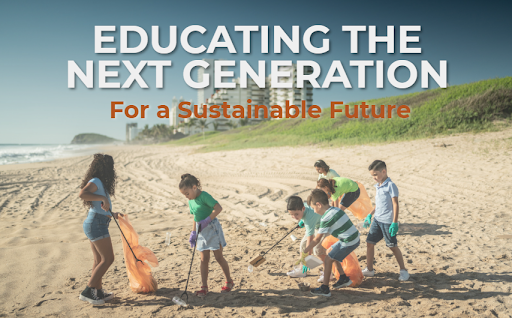
- local clean-up + reflection activity
- “notice nature” journal: 10 minutes outdoors, write or draw what you observe
When children feel connected to nature, care becomes natural, not forced.
Youth Leadership: How to Support Without Taking Over
Young people don’t need adults to do it for them. They need adults to protect the conditions that help leadership grow.
Support looks like:
- listening seriously to youth concerns
- giving students ownership of steps and timelines
- celebrating effort, not just results
- providing tools (templates, checklists, guidance)
- making space for reflection after setbacks
A child who feels deeply can become a powerful environmental advocate – when they’re taught how to turn emotion into purposeful action.
Frequently Asked Questions
Sustainability education teaches young people how to live with responsibility and care, understanding environmental impact, building practical habits, and learning how to protect life (human and non-human).
As early as possible. Even young children can learn simple habits (waste reduction, caring for nature, kindness and responsibility). The earlier it starts, the more “normal” it becomes.
Focus on connection and agency. Teach small, practical actions, celebrate consistency, and use reflection instead of shame when mistakes happen.
Waste audits, reusable challenges, swap days, nature journals, indigenous planting, clean-ups, and simple water/energy routines are all practical starting points.
Choose one habit (waste, water, energy, food, mindful consumption) and practise it consistently. Make it easy, visible, and shared.
Leadership grows through ownership: students choose a problem, plan a small action, measure progress, and involve others. Adults support by providing tools and trust.
Teaching for the World We’re Handing On
A sustainable future won’t be built by perfect people. It will be built by supported young people, learning that their choices matter, that their care has power, and that they don’t have to carry the world alone.
If we educate the next generation with compassion and practical skills, sustainability stops being a struggle. It becomes a way of life.