Sustainability can feel huge, like you need to overhaul your entire life or solve a broken system on your own. But real change rarely starts big (or perfect). It starts with people choosing to care, choosing to act, and choosing to keep going.
That’s what grassroots environmental action is: everyday people turning small choices into shared momentum, until a better way of living becomes normal.
At Sarva Dharma, we believe progress is built through” with “we believe change begins with individual responsibility and compassionate awareness, expressed through everyday decisions that ripple outward – shaping communities and influencing government action.
A quick summary of this article:
- Grassroots change begins with small, consistent choices that build trust, momentum, and community norms.
- Local action becomes powerful when it’s shared: clean-ups, swap days, tree planting, and school initiatives.
- Mindful habits (waste reduction, recycling programs, mindful consumption) spread faster when they’re visible and supported.
- Grassroots movements also protect communities by challenging greenwashing and pushing for corporate accountability.
- Sarva Dharma helps turn compassion into action through education and community campaigns that make responsibility easier to live.
What Grassroots Change Really Looks Like
Grassroots change isn’t always loud. Often, it’s quiet and practical:
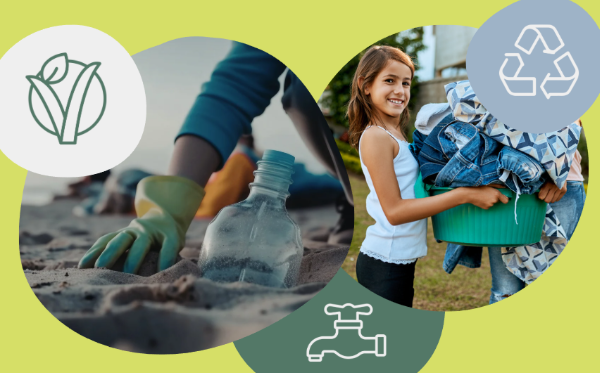
- a neighbourhood clean-up that happens every month, that normalises caring for land as part of daily life.
- a school that normalises reusable lunch containers” with “A school that treats caring for classrooms and shared areas as a shared responsibility
- a community garden that brings people together” with “supports practical sustainability through shared cultivation
- a friend who starts asking better questions before buying something new
These actions might look small, but they shift culture. And culture shapes what people accept, what they expect, and what they’re willing to protect.
When enough people practise the same values in public, care, responsibility, fairness, those values stop being “extra.” They become the standard.
Why Small Choices Matter (When They’re Consistent)
Small choices matter because they’re repeatable. And repeatable actions become habits. Habits become norms. Norms become culture.
Here are a few examples of “small choices” that scale:
1) Waste reduction
Guilt burns people out. Clarity builds consistency.” with “The most effective changes are the ones that fit into everyday life.Start with one change you can actually keep:
- carry a reusable water bottle or flask
- repair before replacing something
- say no to extras you didn’t ask for (cutlery, napkins, bags)
- choose refills where available
- choose digital tickets, receipts, and notes where possible
- borrow rarely used items instead of owning them
- donate or pass on items instead of throwing them away
The goal isn’t to do everything. The goal is to reduce waste where you can, and keep going.
2) Mindful consumption
Mindful consumption isn’t about never buying anything. It’s about buying with intention:
- Do I need this?
- Can I borrow, reuse, or repair instead?
- Was it made responsibly?
- Where does it end up when I’m done with it?
These questions create a compassionate habit: thinking beyond the moment.
3) Recycling programmes
Recycling works best when it’s simple and visible. If your household, workplace, or school has recycling bins, labels, and consistent collection, participation rises naturally.
If not, start small:
- label one bin clearly
- share a simple “what goes where” guide
- track one week of waste and choose one item to reduce next week
How Community Action Creates Lasting Impact
The most powerful part of grassroots change is that it isn’t isolated. It’s shared.
When community projects are regular, practical, and welcoming, they do more than clean streets or plant trees. They build belonging, and belonging makes people care.” with “They create a sense of belonging – and belonging supports consistent participation and shared account…”
Here are a few high-impact community actions that are easy to start:
Community Cleanup
A community cleanup is one of the fastest ways to build visible momentum. It creates an immediate “before and after,” and it makes caring for shared spaces feel collective, not lonely.
Tip: Keep it simple. Choose one location, one hour, one monthly rhythm.
Sustainability Workshops
Sustainability workshops help bridge the “I care” gap. People want to do better, but they often don’t know where to start, or they feel judged when they try.
Workshops can be practical and empowering:
- how to reduce food waste
- composting basics
- mindful consumption
- water-saving habits
- low-cost sustainability swaps
Tree Planting and Urban Forests
Tree planting is both symbolic and measurable. It brings people together, improves local environments, and teaches long-term responsibility.
If possible, prioritise indigenous species and community stewardship (watering schedules, maintenance teams, shared ownership).
Grassroots Doesn’t Ignore Systems, It Strengthens Them
Grassroots action isn’t “small” because it avoids big problems. It’s “small” because it starts where life is lived: homes, schools, neighbourhoods, daily choices.
And it can absolutely support systems-level change by:
- calling out greenwashing when brands pretend to be sustainable without real action
- pushing for corporate accountability when harm is hidden or outsourced
- supporting community policies that make sustainable options accessible
Grassroots movements help people see the difference between marketing and meaning and that awareness protects communities from empty promises.
A Simple Formula For Maximum Impact
If you want to contribute but don’t know where to start, choose one step in each category:
1) One personal habit
Pick one:
- waste reduction
- mindful consumption
- water-saving
- energy use
- food choices
Make it easy. Make it repeatable. Let it become normal.
2) One community action
Pick one:
- join a community cleanup
- support a school sustainability initiative
- start a swap day
- plant indigenous species
- host a workshop
Community is where motivation becomes momentum.
3) One systems-support action
Pick one:
- support organisations challenging greenwashing and demanding accountability
- share educational resources with your school or workplace
- support projects that expand access to sustainable living
This is how small choices become a lasting impact: personal responsibility + shared support.
How Sarva Dharma helps grassroots change grow
Sarva Dharma exists to make responsibility easier to live, through education, advocacy, and community involvement.
If you’re ready to move from intention to action, explore and sign up to volunteer.
Frequently Asked Questions
Grassroots environmental action is community-led change driven by everyday people. It includes local projects, shared habits, education, and advocacy that reduce harm and strengthen long-term responsibility.
Yes, especially when they’re consistent and shared. Small actions become habits, habits become norms, and norms create culture. Culture is how change scales without relying on perfection.
Community cleanups, swap days, school recycling initiatives, small workshops, and tree planting are practical, low-cost entry points that build visible momentum quickly.
Choose one habit you can keep, one community action you enjoy, and one systems-support action that aligns with your values. Progress grows through consistency,not guilt.
You can take part through Join Us or help expand impact through Fund Sarva Dharma Today. You can also explore our work and get in touch via Contact Us.
Where Change Begins
Grassroots change is how the future becomes liveable, one choice, one habit, one community at a time.
You don’t need to do everything. You just need to do something, consistently, compassionately, and together.