There’s something quietly powerful about the way young people see the world. They notice what adults sometimes overlook: who feels left out, what feels unfair, what looks harmed, and what could be kinder. In small moments, sharing, speaking up and asking “why”, young minds practise compassion in real time. And those everyday choices add up.
A more compassionate future doesn’t begin with grand gestures. It begins with personal responsibility: learning to care, learning to act, and learning that our choices affect other people, animals, and the planet. When we nurture compassion early, we help shape a generation that doesn’t just understand the world’s challenges; they feel responsible for improving them.
A quick summary of this article:
- Young minds often notice unfairness, exclusion, and harm quickly, and their everyday choices can shape a kinder future.
- A compassionate future starts small: personal responsibility, consistent caring, and learning that choices affect people, animals, and the planet.
- Youth empathy matters more than ever because young people are growing up surrounded by climate, inequality, conflict, and social pressure.
- Environmental responsibility is compassion in action, caring for nature leads to mindful choices, reduced waste, and less harm.
- Young people lead change daily through mindful consumption, guilt-free waste reduction habits, inclusion, and small community projects.
- Small weekly practices (like a “1% kinder habit” and waste awareness tracking) help compassion become a lifelong value.
- Sarva Dharma’s educational campaign helps turn compassion into daily action through education, community initiatives, volunteering, and partnerships.
Young people are growing up in an era of constant information. Climate change, inequality, conflict, and social pressure are part of the daily conversation. That can feel overwhelming, but it can also awaken empathy.
Empathy becomes compassion when it turns into action. When young people learn that their choices matter, and that kindness is something you do, not just something you feel, they start building the emotional skills our communities need: patience, fairness, courage, and care for life beyond themselves.
Compassionate youth don’t just create kinder classrooms. They grow into adults who make better decisions, at work, in leadership, in policy, and at home.
How Compassion Is Learned (and Practised)
Compassion isn’t “born” fully formed. It’s learned through experience, relationships, and repetition. And it’s practised when young people are given:
- Language for emotions (“I feel…”, “I noticed…”, “I need…”)
- Safe role models who demonstrate empathy and accountability
- Opportunities to contribute (helping, volunteering, organising)
- Room to reflect without shame when they make mistakes
One of the best ways to teach compassion is to make it visible. Instead of only praising outcomes (“You’re so kind”), we can praise the choice (“I saw you include someone who was alone”). That builds awareness and makes kindness a skill young people can grow.
The Link Between Compassion And Environmental Responsibility
Compassion isn’t limited to people. It extends to animals, ecosystems, and future generations.
When young people learn to care for nature, they learn something deeper than recycling: they learn connection. That connection becomes responsibility:
- If you care about the environment, you’re less likely to pollute it.
- If you care about animals, you start to notice how they are treated for consumption and how human waste affects environments they live in.
- If you care about others, you begin to notice how your actions might shape lives beyond your own.
Environmental responsibility is compassion in action. It’s choosing to live in a way that protects life, human and non-human and reduces harm where we can.
This is why mindful sustainability matters: it’s not about perfection. It’s about intention.
Every Day, Young People Lead Change at Home, at School, and in Their Communities
You don’t need a title to lead. Young people lead through the choices they repeat and the conversations they start. Here are a few realistic examples of youth-led compassion in action:
Choosing mindful consumption
Young people can ask simple questions before buying:
- Do I need this?
- Can I borrow or reuse something instead?
- What happens to it when I’m done?
These questions build a habit of thinking beyond the moment – one of the most compassionate skills there is.
Reducing waste – without guilt or perfection
Small, realistic actions can add up:
- Carrying a reusable bottle
- Bringing lunch in reusable containers
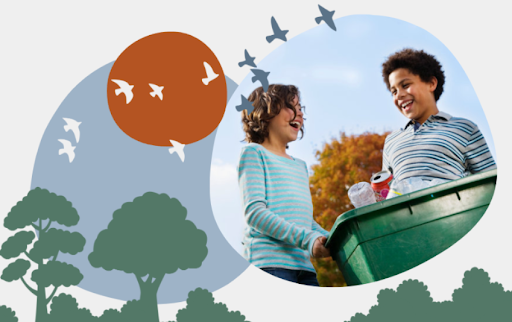
- Separating recycling where possible
- Organising a “swap day” at school (books, uniforms, clothes)
- Keeping leftover food rather than throwing it away
When schools support these habits, they normalise care – for personal belongings, for one another, and for the shared spaces everyone depends on. Over time, that care becomes compassion.
Including others
Compassionate futures are inclusive futures. Young people shape kindness when they:
- Invite someone new into a group
- Call out bullying (or quietly report it)
- Practise curiosity rather than judgement
These behaviours create communities where people feel safe, seen, and valued.
Starting a small community project
Projects don’t need to be huge. They can start with:
- A neighbourhood clean-up
- Planting indigenous species in a garden space
- A classroom “awareness week” about water, food waste, or biodiversity
- Raising funds for education or conservation initiatives
The most important lesson is discovering that even small actions can move things in a better direction.
How Parents, Teachers, and Communities Can Support Youth Leadership
Adults don’t have to “drive” youth compassion. They simply need to protect the conditions that help it grow.
Support looks like:
- Listening seriously to young people’s concerns
- Giving choices and letting youth plan steps
- Celebrating effort, not just results
- Offering tools, like checklists, templates, and guidance
- Making space for reflection, so young people learn from setbacks without giving up
Sometimes adults worry that young people are “too sensitive.” But sensitivity can be a strength when paired with support. A child who feels deeply can become a powerful advocate if they’re taught how to channel emotion into purposeful action.
Small Actions That Build Lifelong Values
Compassion grows through consistency. Here are weekly practices that help young people build values that last:
- The 1% kinder habit: Do one small kind thing each day or week.
- A “care circle” check-in: Ask: Who did I help this week? Who helped me?
- Waste awareness: Track how much waste you create in one week, then try to reduce one item next week.
- Gratitude for nature: Spend 10 minutes outdoors and write what you notice.
- The “repair and reuse” rule: Before buying something new, try repairing, borrowing, or reusing.
These practices aren’t about right or wrong. They’re about learning to live with awareness.
How To Get Involved With Sarva Dharma’s Educational Campaign
Young people don’t need to carry the world alone. They need communities that guide them, encourage them, and help them turn compassion into a path.
Sarva Dharma supports youth in building awareness, personal responsibility, and conscious action, so compassion becomes something young people practise in daily life and community spaces.
If you’re a parent, teacher, student, or supporter, there are meaningful ways to participate:
- Get involved in youth learning and education initiatives
- Support community campaigns and sustainability education
- Volunteer your skills or time
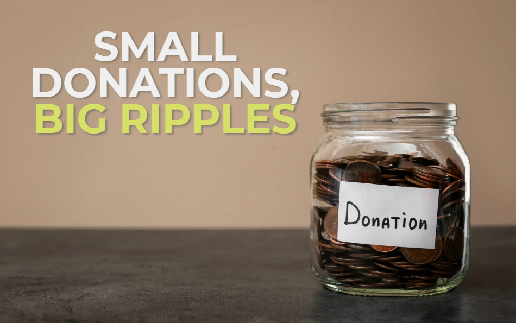
- Contribute through donations or partnerships that help expand education and engagement
Compassionate futures aren’t built in one day. They’re built through young minds learning that their choices matter and adults choosing to support them.
Frequently Asked Questions
Compassion grows through empathy, practice, and guidance. When young people learn to notice how others feel, reflect on their choices, and take small helpful actions, compassion becomes a habit, not just an idea.
Compassion shapes how people treat each other and nature, how communities work together, and how decisions are made. A compassionate generation is more likely to create fairer systems, reduce harm, and care for both people, animals and the planet.
Environmental responsibility is compassion in action. When we care about nature, animals, and future generations, we make more conscious choices like reducing waste, consuming mindfully, and protecting shared resources.
Small, consistent actions matter most, like including someone who feels left out, helping at home, reducing waste, being mindful about what they buy, and speaking up kindly when something isn’t fair.
Adults can support young people by listening, modelling accountability, praising effort (not perfection), and giving them opportunities to lead. Creating safe spaces for reflection helps youth learn and grow without fear of getting it wrong.
Students can start with practical steps like organising a clean-up, starting a recycling or compost initiative, reducing single-use plastics, hosting a swap day, or running a short awareness campaign on sustainability, consumption, or biodiversity.
overwhelming them?
Keep it small and achievable. Choose one area (waste, kindness, energy, inclusion) and one weekly action. Celebrate progress, give support, and remind them that consistency matters more than doing everything at once.
You can support Sarva Dharma by joining education and community initiatives, volunteering your skills, partnering as an organisation, or contributing through donations to help expand youth learning and engagement.
Shaping Tomorrow
A more compassionate future won’t arrive by accident. It will be shaped by the values we teach, the behaviours we repeat, and the responsibility we practise.
When young people learn compassion early, they don’t just change themselves. They change what becomes normal in the world: more care, more courage, and more conscious choices.
And that’s how the future shifts, one young mind at a time.