Sustainability can feel like a tug-of-war: you’re told to recycle more, waste less, and live consciously, while governments are told to regulate faster, fund infrastructure, and hold industries accountable. Somewhere between guilt and frustration, people disengage.
But lasting sustainable change doesn’t come from choosing either personal action or policy. It comes from aligning both. People shape what society values; policy shapes what society enables. When individuals shift daily habits, culture moves and culture creates pressure that decision-makers can’t ignore.
When policy strengthens standards and access, sustainable choices stop being “extra effort” and start becoming the norm.
At Sarva Dharma, we believe progress is built through compassionate awareness, not judgment – supporting you to take consistent steps, while we work through government campaigns to help shape the systems that make those steps easier for everyone.
A quick summary of this article:
- Lasting sustainable change doesn’t come from choosing people or policy, it comes from aligning both.
- Individuals drive culture change by living more consciously, questioning harmful habits, teaching responsibility, and taking local action in their communities.
- Cultural shifts create momentum and pressure that institutions and leaders can’t ignore.
- Policy creates large-scale change by setting standards for pollution, waste, clean energy, and conservation, making sustainability the shared baseline.
- Sustainable change becomes durable when behaviour shifts culture, culture pressures institutions, and policy makes sustainable choices easier for everyone.
- You can contribute by focusing on one consistent habit, supporting community action, and backing systems-level sustainability efforts.
People Change Culture (and Culture Changes Everything)
Every major shift in society starts with people noticing, caring, and changing.
When enough individuals begin to:
- live more consciously
- question harmful habits
- teach children responsibility
- choose sustainability over convenience
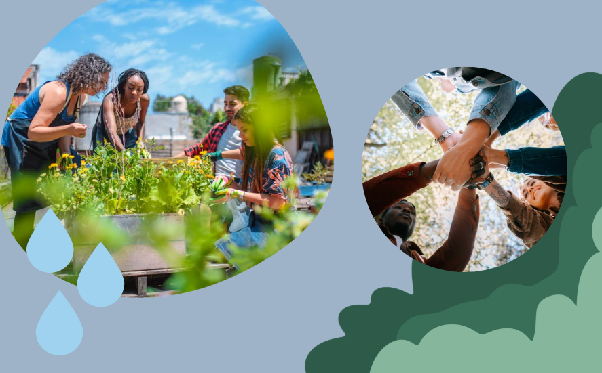
- volunteer and participate in local action
…culture moves. What once felt like “extra effort” starts to feel like the standard. And that cultural change matters because it creates momentum, momentum that can’t be ignored.
But culture alone can’t rewrite systems.
If sustainable options remain expensive, confusing, or unavailable, change stays limited to those with time, money, and access. That’s not sustainability. That’s exclusivity.
Policy Changes Systems (So Conscious Choices Are Easier)
Policy takes sustainability out of the realm of personal struggle and makes it a shared baseline.
When policy sets clear rules on pollution, waste, clean energy, and conservation, it changes what’s normal at scale. It stops sustainability from being something only the privileged or committed do.
Policy changes can have the following impact:
- reduces harm where individuals can’t
- sets protections for shared resources
- holds industries accountable
- funds infrastructure that enables sustainable living
But policy alone also has limits.
If people don’t care, policy becomes slow. If communities aren’t engaged, enforcement is weak. If culture doesn’t support sustainability, change is easily rolled back.
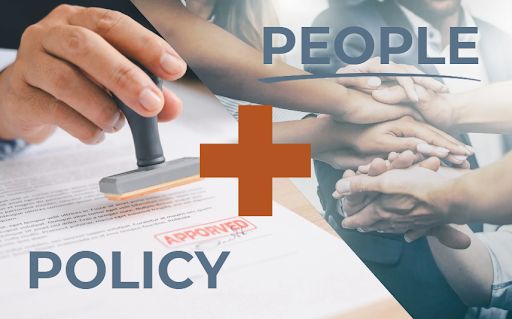
The Real Formula: Personal Responsibility + Structural Support
Sustainable change becomes durable when these two things happen together:
- individuals change behaviour → culture shifts
- culture pressures institutions → policy is created
- policy makes sustainability easier → behaviour spreads
- behaviour becomes normal → the future changes
It’s not about perfection. It’s about alignment.
Small (but Mighty) Changes You Can Make
You don’t need to carry the whole world. But you can play a role in both directions:
Start with one consistent personal habit
Choose one: waste reduction, mindful consumption, water use, energy, or food.
Join or support community action
Community projects create the bridge between personal change and collective change.
Support sustainability at the systems level
Back policies, initiatives, and organisations that protect life and create lasting standards.
These actions reinforce each other. And together, they create something stronger than individual effort or policy alone: a sustainable culture with sustainable systems.
Frequently Asked Questions
climate crisis?
Individual action and government policy play different but complementary roles. Individual choices shape culture – what people value, accept, and demand. Policy shapes systems – what options are affordable, accessible, and widely available. Sustainable change lasts when personal responsibility shifts culture and policy supports those shifts at scale.
Yes, individual actions matter because they influence culture. When people consistently change everyday habits – around waste, energy use, food, and consumption – those choices signal public support for sustainability. Cultural shifts create pressure that institutions and policymakers cannot ignore.
Personal responsibility is important, but it has limits when systems make sustainable choices expensive, confusing, or inaccessible. Without supportive policy – such as waste regulations, clean energy investment, or conservation laws – sustainability remains out of reach for many people. That creates inequality, not lasting change.
Policy helps by setting shared standards and protections. Effective sustainability policy can reduce pollution, protect shared resources, hold industries accountable, and fund infrastructure that makes low-impact choices easier for everyone – not just those with time or money.
Community action bridges personal change and systems change. Local initiatives such as clean-ups, education programmes, skill-sharing workshops, and youth engagement help turn awareness into shared practice. Communities also amplify voices calling for better environmental policies at local and national levels.
Start with one habit you can maintain – such as reducing waste, using energy more mindfully, or making food choices that lower environmental impact. Alongside this, support community initiatives and organisations working on systems-level change, including environmental policy and education.
No. Governments and institutions play a crucial role, but they respond to public will. Sustainable futures are built when individuals, communities, organisations, and policymakers work together – each reinforcing the other.
Sarva Dharma works across education, community engagement, and government campaigns. We support individuals in building consistent, practical habits, while also working with institutions to shape systems and policies that make sustainable living more accessible, fair, and lasting.
Building a World That Supports Better Choices
If we want a future where sustainability feels achievable it must be supported from both sides.
People create the will.
Policy creates the way.
And when the will and the way meet, sustainable change stops being a struggle and starts becoming the world we live in.