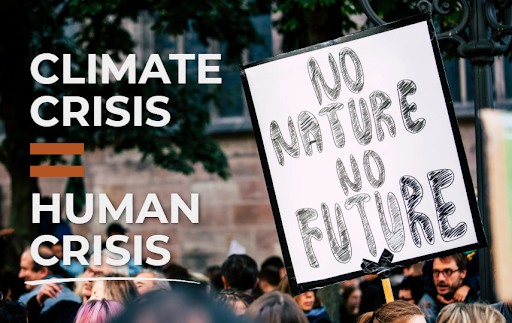
The phrase “climate crisis” can sound distant, like something happening to glaciers, forests, or faraway coastlines. But for millions of people, it’s not a future problem. It’s a daily reality that affects health, safety and livelihoods.
That’s why the climate crisis is also a human crisis.
When temperatures rise, it’s not just the weather that changes. It’s the cost of food. It’s the reliability of water. It’s the stability of homes, schools, and communities. And like most crises, it hits hardest where people already have the least protection.
At Sarva Dharma, we approach climate action through honest awareness and human kindness, not guilt. When we understand who is affected and why, we don’t shut down. We show up.
A quick summary of this article:
- The climate crisis is a human crisis because it impacts health, safety, equality, and opportunity.
- Climate harm isn’t shared equally, vulnerable communities are often affected first and worst.
- Climate justice and environmental justice help us see climate action as protecting people, not just nature.
- Empathy-driven climate action turns awareness into choices that reduce harm and strengthen resilience.
- Lasting progress needs both personal responsibility and systems that make sustainable living accessible.
- You can help without burnout by choosing one habit, one community action, and one way to support broader change.
Climate Change Isn’t “just Environmental”, It’s Personal
It’s easy to associate climate change with melting ice caps and endangered species. Those matter deeply. But climate change also shows up in everyday human needs:
Health
Rising temperatures place increasing strain on human health. Heatwaves increase the risk of dehydration, heat stress, and respiratory strain, particularly for children, older adults, and people with existing health conditions. Smoke from wildfires and rising air pollution worsen asthma, respiratory illness, and heart disease, while warmer climates allow disease-carrying insects to spread into new regions. As ecosystems degrade, malnutrition also becomes more common: climate impacts on fisheries, soil health, and pollinators reduce food diversity, leading to micronutrient deficiencies that weaken immune systems, especially in children. These physical pressures are compounded by climate-related stress and displacement, which take a growing toll on mental health..
Food and water security
When droughts, floods, and unpredictable weather disrupt crops, food prices rise and supplies become unstable. Extreme heat accelerates food spoilage and increases the risk of foodborne illness, while prolonged drought and crop failure reduce access to fresh, nutritious food. Water scarcity is not only about reduced availability; flooding and environmental damage can contaminate drinking supplies, spreading bacteria, parasites, and chemicals through water systems. This increases the risk of diarrhoeal disease, cholera, and other waterborne infections, with the greatest impact on communities already facing limited resources.
Safety and housing
Extreme weather increasingly threatens the safety and stability of where people live. Floods, storms, heatwaves, and rising sea levels damage homes, schools, and essential community infrastructure, often leaving families without safe shelter. When rebuilding is slow, unaffordable, or impossible, people are forced to relocate – sometimes multiple times – disrupting education, healthcare, livelihoods, and social ties. Informal housing and low-income communities are hit first and hardest, as they are often located in high-risk areas with limited protection. When you zoom in, the reality becomes clear: the climate crisis is reshaping what it means to live with safety, dignity, and long-term stability.
Why the Climate Crisis is Also a Justice Crisis
One of the most painful realities is this: those who contribute least to climate damage often face the greatest impact.
That’s where climate justice and environmental justice come in. They ask essential questions:
- Who is being harmed?
- Who is being protected, and who isn’t?
- Who has access to clean air, safe water, and resilient housing?
- Who gets left behind when systems fail?
A human-centred view of climate change doesn’t reduce nature’s importance. It expands our understanding: protecting the planet also means protecting people, especially those most at risk.
The Emotional Weight of the Human Crisis (and Why People Shut Down)
Many people care deeply, but still feel overwhelmed. That response is human.
When we’re faced with constant headlines, fires, floods, conflict, inequality, it can trigger a sense of powerlessness. Some people disengage. Others get tired or frustrated trying to carry it all.
This is why Sarva Dharma’s approach matters: awareness should lead to empowerment, not exhaustion.
Empathy is not a burden. It’s a compass. The goal isn’t to feel everything all the time. The goal is to turn care into consistent, practical action.
Empathy-driven Climate Action: What It Looks Like in Real Life
Empathy becomes powerful when it becomes actionable. Here are a few grounded ways empathy-driven climate action shows up:
Climate-conscious living without perfection
You don’t need to “do everything.” Choose a habit that reduces harm and fits your life:
- reduce waste in one area (food, packaging, single-use items)
- shift one buying habit (repair, reuse, buy less, buy sustainable)
- make one energy or water change that you can keep
Small choices, repeated, shape a way of living rooted in awareness and responsibility.
Community resilience and shared responsibility
Community-level action reduces isolation and increases impact:
- support local clean-ups or greening projects
- share skills (gardening, repair, education, organising)
- create practical mutual support for heatwaves, water shortages, or local disruptions
When people act together, lasting change becomes possible.
Systems that support people (not just ideals)
The human crisis angle reminds us: climate solutions must be accessible. If sustainable options are expensive, confusing, or unavailable, progress becomes exclusive.
That’s why real change also includes:
- better infrastructure and service delivery
- accountability for high-impact polluters
- protections for vulnerable communities
- education that builds awareness early and consistently
How Sarva Dharma Turns Awareness Into Action
Sarva Dharma supports climate action through education, community engagement, government campaigns, and compassionate leadership, so individual responsibility moves from awareness into action. Explore our focus areas:
- Our Work
- Education Campaigns
- Community Campaigns
If you want to get involved in a way that fits your capacity, you can start here:
To learn more about our story and how we work:
What You Can Do
If you want a simple, sustainable approach, use this three-part rhythm:
1. Choose one personal habit
Pick one area: waste, water, energy, food, or mindful consumption. Keep it small and repeatable.
2. Join one community action
Choose one local effort you can support monthly or quarterly. Consistency matters more than intensity.
3. Support one system-level lever
Support education, accountability, and community resilience through learning, sharing resources, volunteering, or contributing capacity where it counts.
This isn’t about perfection. It’s about progress.
Frequently Asked Questions
Because the climate crisis affects human health, safety, food and water access, housing stability, and equality, especially for vulnerable communities.
Climate justice recognises that climate impacts are not shared equally and focuses on protecting people who are most affected, least responsible, and least resourced to recover.
It can increase heat-related illness, raise food costs, disrupt water access, damage housing and infrastructure, and create displacement through extreme weather and instability.
Focus on one habit you can maintain, take part in community action, and support efforts that make sustainable living easier for everyone — through education, shared responsibility, and long-term solutions.
Keep actions small and repeatable. Prioritise what you can maintain over time. Join others. Let the community carry the weight with you.
What This Really Asks of Us
When we say the climate crisis is a human crisis, we’re not trying to frighten people. We say it to name the reality, so it can be met with understanding, compassion, and action.
Because once we see what’s at stake, health, dignity, stability, and life, we stop asking, “Should I care?”
We start asking, “What’s one thing I can do today, consistently and with others?”