Most of the plastic we use has a very short working life. A bottle cap, a snack wrapper, a bag carried home from the shop: a few minutes of use, then the bin, and then, as far as most of us are concerned, it simply disappears.
It doesn’t disappear. A large share of it travels through drains, rivers, wind and the edges of landfill sites, towards the sea. Plastic pollution is one of the least visible ways everyday life reaches the ocean, which is exactly why it’s so easy to ignore, and so important to understand.
A quick summary of this article:
- Everyday plastic doesn’t vanish when we throw it away. Much of it breaks into smaller pieces and travels.
- Marine animals can be harmed by swallowing plastic, becoming entangled in it, or both.
- Some of the most damaging plastic is the least visible: fragments too small to see.
- Straws and bags are powerful symbols, but packaging and lost fishing gear are a big part of the story too.
- A few small habit changes, and joining local clean-ups, are realistic places to start.
Where Plastic Pollution Really Begins
It begins on land. Deliberate littering plays a part, but so does ordinary, well-meant disposal: lightweight packaging lifted out of overfull bins by the wind, items washed down storm drains, tiny fibres shed every time synthetic clothes go through the wash.
By the time any of it reaches a river mouth or a beach, nobody can say whose bottle it was. That anonymity is part of why plastic pollution so easily becomes someone else’s problem.
What Happens to Life in the Ocean
Marine animals meet plastic in several ways. Some mistake it for food: sea turtles and some seabirds are known to eat bags and fragments that look like their usual prey. Others become entangled, particularly in discarded fishing line and nets, which can cause injury or drowning.
Plastic that’s swallowed can fill an animal’s stomach without giving it any nutrition. Over time, that can leave animals weakened, even when nothing about the plastic looks dramatic from the outside.
The Plastic You Can’t See
Plastic doesn’t biodegrade the way food scraps do. Sunlight, waves and time break it into ever smaller pieces, known as microplastics. Small enough to be eaten by plankton and other tiny organisms, they enter the food chain at its base.
Researchers have found microplastics in marine life in many parts of the world, and scientists are still working to understand their full effects. What’s already clear is that this isn’t a problem we can see our way to solving: much of it is out of sight by the time it matters.
Straws, Bags and the Bigger Picture
Straws and carrier bags became symbols of the plastic problem for good reason: they’re visible, and images of animals harmed by them are hard to forget. But they are only part of a larger picture that includes food packaging, bottles, and abandoned fishing gear.
It helps to remember what’s actually at stake. When we start seeing the living world as kin, not just a resource, the question changes from “what’s convenient for me?” to “what does this cost the lives I share the planet with?”
Small Habits That Reduce Your Share
None of this needs a dramatic lifestyle overhaul. A few repeatable habits make a real difference:
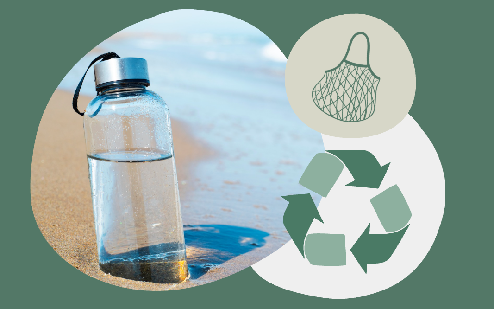
- Carry a reusable bottle and bag, so single-use ones are the exception rather than the default.
- Choose loose produce, refills and less packaging where you can.
- Say no to extras you don’t need, like plastic cutlery, straws and spare bags.
- Dispose of what you do use carefully, and recycle wherever your local system accepts it.
If you’d like more ideas, our guide to seven mindful swaps for a more sustainable life covers practical changes across the home, many of which cut plastic along the way.
Cleaning Up Together
Individual habits matter, and so does collective action. Clean-ups don’t solve plastic pollution on their own, but they remove what’s already on the ground before it reaches the water, and they make the problem visible and personal.
If you’ve never done one, organising a community clean-up is more straightforward than it sounds, and a good way to turn concern into something you can actually see.
Frequently Asked Questions
Much of it travels from land: carried by wind, washed down drains and rivers, or lost from overfull bins and landfill edges. Fishing gear lost or abandoned at sea adds to it directly.
Animals can swallow it, mistaking it for food, or become entangled in it. Swallowed plastic can fill the stomach without providing nutrition, and entanglement can cause injury or drowning.
Microplastics are tiny fragments formed as larger plastic breaks down. They can be eaten by very small marine organisms and so enter the food chain, and scientists are still learning about their long-term effects.
There are documented cases of straws harming turtles, and they’ve become a powerful symbol. But they’re a small part of the problem compared with bags, packaging and lost fishing gear, so cutting straws is a good start rather than a complete answer.
Reduce the single-use plastic you rely on, dispose of what you do use carefully, and take part in local clean-ups. Small habits repeated consistently, and shared with others, add up.
What We Never See Still Counts
The plastic we never see is still shaped by choices we make every day. The encouraging part is that those choices are also where change can start.
If you’d like to think through what that could look like for you, your family, or your community, follow us on social media for more insights- we’d be glad to help you find a starting point.