There’s an old idea, repeated so often it can start to feel like a cliché, that we don’t inherit the earth from our ancestors so much as borrow it from our children. Cliché or not, it holds up under scrutiny. Almost nothing we use, the soil, the water, the climate stability we take for granted, was truly ours to begin with.
Taking that idea seriously means thinking beyond a single lifetime. It means asking what building a global legacy for earth actually requires of us now, not someday.
A quick summary of this article:
- Framing the planet as something we borrow, rather than own, changes how its condition on “return” matters.
- What we owe future generations isn’t about guilt over the past, but honesty about the present.
- Climate justice includes generational fairness, not just fairness between nations or communities today.
- Legacy is built through consistent, current choices, not a single grand gesture left behind.
- Thinking long-term doesn’t have to be overwhelming when it’s broken into what’s actually within reach today.
Why “Borrowing” Changes the Conversation
Ownership implies a kind of finality, something is yours to use up as you see fit. Borrowing implies the opposite: an expectation of return, and some accountability for the condition it’s returned in.
This distinction matters because most environmental harm isn’t caused by malice. It’s caused by treating something borrowed as though it were owned outright, with no one left to answer to. Future generations are that someone, even though they can’t yet speak for themselves.
What We Actually Owe, and What We Don’t
This isn’t a call for guilt over decisions made long before any of us were born. It’s a question of what happens next, starting from wherever things currently stand.
We don’t owe future generations a perfect planet, that ship has likely already sailed in some respects. We owe them honesty about the state of things, and a genuine, ongoing effort to leave the trajectory better than we found it, rather than simply passing the cost further down the line.
Climate Justice Isn’t Only About Right Now
Climate justice is usually discussed in terms of fairness between communities and nations today, and that framing matters enormously. But it also has a generational dimension that’s easy to overlook: decisions made now will fall disproportionately on people who had no say in making them.
Taking that seriously is part of why the future starts with individual responsibility isn’t just a motivational phrase. It’s a fairly literal description of how generational fairness actually gets built, one present-day choice at a time.
Legacy Is Built Daily, Not Left Behind
It’s tempting to imagine legacy as something dramatic, a single achievement or gesture significant enough to be remembered. In practice, legacy is closer to an accumulation: countless ordinary choices, repeated consistently enough to shift a trajectory.
This is the same logic behind reclaiming our role as protectors, not just consumers, another way of describing the same underlying shift. What we leave behind is mostly just an extension of how we chose to live while we were here.
Turning This Into Something You Can Actually Do
Thinking about future generations can tip into feeling abstract, or overwhelming, fairly quickly. It helps to bring it back down to something concrete and current.
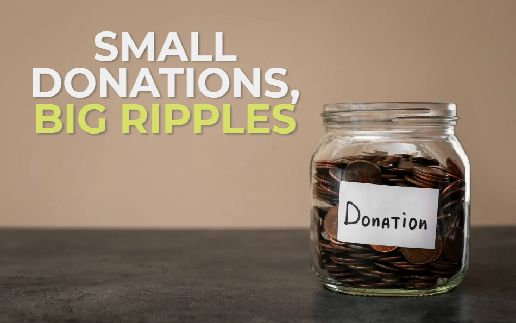
A useful place to look is how we turn this responsibility into action, where long-term thinking gets translated into specific, ongoing work rather than staying a philosophical idea. And if you’re looking for a direct way to contribute, there are also ways to support that work directly, whether through funding, time, or simply spreading the idea further.
Frequently Asked Questions
Honesty about the current state of the planet, and a genuine, ongoing effort to improve its trajectory rather than passing the full cost of today’s choices further down the line.
It’s a fair tension to hold. But most of what’s being asked isn’t sacrifice so much as more thoughtful, consistent choices, many of which improve quality of life now as well as later.
It means treating resources and ecosystems as something to be returned in reasonable condition, rather than used up without regard for who inherits them next.
Focus on what’s within reach today rather than the full scale of the issue. Legacy is built through consistent, ordinary choices, not a single overwhelming responsibility carried alone.
Intention and consistency. A legacy reflects deliberate, sustained choices aimed at improvement. A mess is usually just the accumulated result of never having asked the question at all.
Borrowed, Not Owned
None of us can single-handedly guarantee what future generations inherit. But every choice made with that inheritance in mind moves the trajectory, even slightly, in a better direction.
The generation inheriting the planet is already in classrooms. See how we work with students to nurture the next Sarva Guardians.