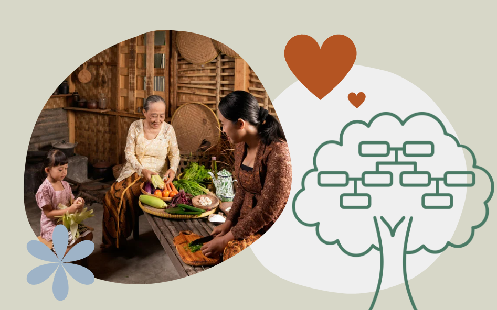
In many communities, women are already the ones holding things together, managing households, passing down local knowledge, and responding first when something in daily life shifts, including changes in climate and environment. The leadership is often already there. What’s frequently missing is recognition, support, and a platform to extend it further.
That’s the premise behind supporting women-led climate initiatives: not creating leadership from nothing, but recognising and reinforcing leadership that communities already depend on.
A quick summary of this article:
- Women are frequently the de facto leaders and knowledge-holders in their communities, including on environmental matters.
- Women-led climate initiatives tend to be effective because they build on existing trust and local knowledge, not despite lacking formal authority.
- Local climate stewardship doesn’t require formal training or outside funding to begin.
- Supporting women’s leadership creates ripple effects that extend well beyond climate outcomes alone.
- Communities and organisations can support this leadership by listening first and resourcing second.
The Leadership That’s Already There
Long before formal climate programmes arrive in a community, women are often already managing the resources most directly affected by environmental change: water, food, fuel, and the day-to-day wellbeing of a household. That’s not a coincidence. It’s a form of leadership that’s simply gone unnamed.
Recognising this changes the starting point of the conversation. The question isn’t how to create women leaders in climate stewardship. It’s how to support and expand leadership that communities are already relying on.
Why Women-Led Initiatives Tend to Work
Women-led climate initiatives frequently succeed where top-down programmes struggle, largely because they’re built on existing trust rather than external authority. A woman already known and respected within her community carries a kind of credibility that an outside expert, however well-intentioned, often has to earn from scratch.
This local trust also means solutions tend to be shaped around what a community can realistically sustain, rather than imported models that assume resources or infrastructure that simply aren’t there.
Stewardship Doesn’t Require a Title or a Budget
One of the biggest barriers to women stepping into visible climate leadership is the assumption that it requires formal qualifications, funding, or institutional backing before it counts. In practice, most local climate stewardship starts much smaller: organising a water-sharing schedule, teaching neighbours to reduce waste, or coordinating a small planting effort.
These actions rarely make headlines, but they’re often exactly communities become stronger through shared responsibility, one small, coordinated effort at a time.
The Ripple Effect Beyond Climate
Supporting a woman’s leadership rarely stays contained to a single climate initiative. When women take on visible leadership roles, it tends to shift how the next generation, particularly girls, understand what leadership looks like and who gets to hold it.
This is part of why our work with children and education matters alongside our work with women. Young minds are already shaping a more compassionate future, often by watching the women around them lead first.
How Communities and Organisations Can Support This
Meaningful support usually starts with listening rather than instructing. A few principles make a real difference:
- Ask what a community already identifies as its most pressing environmental challenge, rather than arriving with a predetermined solution.
- Provide resources and training that build on existing knowledge, rather than replacing it.
- Create visible platforms for women’s leadership, so their work is recognised rather than assumed or overlooked.
This is closely tied to how we help the next generation build lasting environmental knowledge, since sustainable leadership, at any age, tends to grow best when it’s supported rather than imposed.
Frequently Asked Questions
Women frequently already manage the resources most affected by environmental change, like water, food, and household energy, giving them practical knowledge and community trust that formal programmes often take years to build.
It often looks like small, coordinated community actions, organising shared resources, teaching practical skills, or leading a local clean-up, rather than large-scale formal programmes.
By listening to what the community already identifies as priorities, providing resources that build on existing knowledge, and creating visible platforms that recognise leadership already taking place.
Water-sharing coordination, waste reduction education, small community clean-ups, and neighbourhood planting efforts are all examples of stewardship that can begin with existing local resources.
Visible women’s leadership reshapes how the next generation, especially girls, understands leadership itself, often extending influence well beyond the original environmental initiative.
Leadership Worth Recognising
The leadership needed for local climate stewardship often isn’t missing. It’s already present, quietly holding communities together, and waiting for the recognition and support that lets it grow further.
If you’d like to learn more about supporting women-led climate initiatives in your community, reach out to our team – we’d be glad to talk about what that support could look like.